

The production lead stared at the computer screen in frustration. Again. The production line had been stalled for 40 minutes while the team hunted for a critical calibration tool worth $35,000. The spreadsheet showed it in Lab 3 — a location that had already been checked twice. This scene plays out thousands of times daily across facilities worldwide. Equipment goes…
Manufacturing

Continue Reading
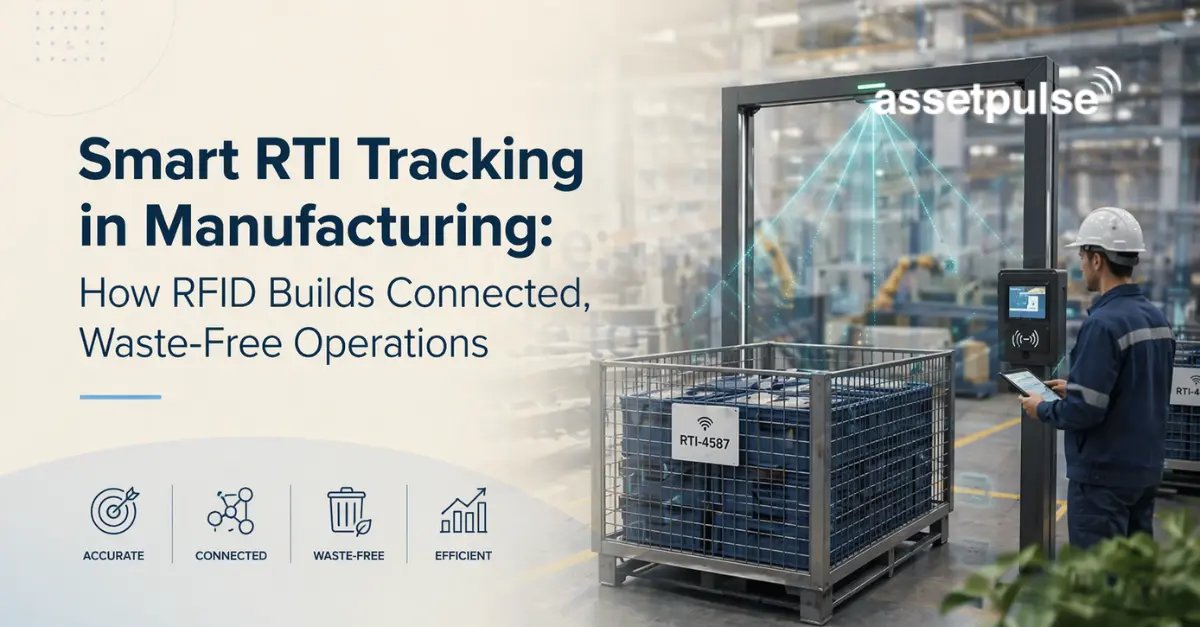
Smart RTI Tracking in Manufacturing: How RFID Builds Connected, Waste-Free Operations
What is RTI Tracking? RTI tracking in manufacturing is the process of monitoring reusable transport items such as pallets, crates, bins, and containers as they move through production, storage, shipping, and supplier networks. Instead of relying on manual logs or line-of-sight barcode scans, modern RTI tracking uses RFID to capture movement automatically, improve accuracy, reduce losses, and give manufacturers real-time…
Manufacturing
Continue Reading
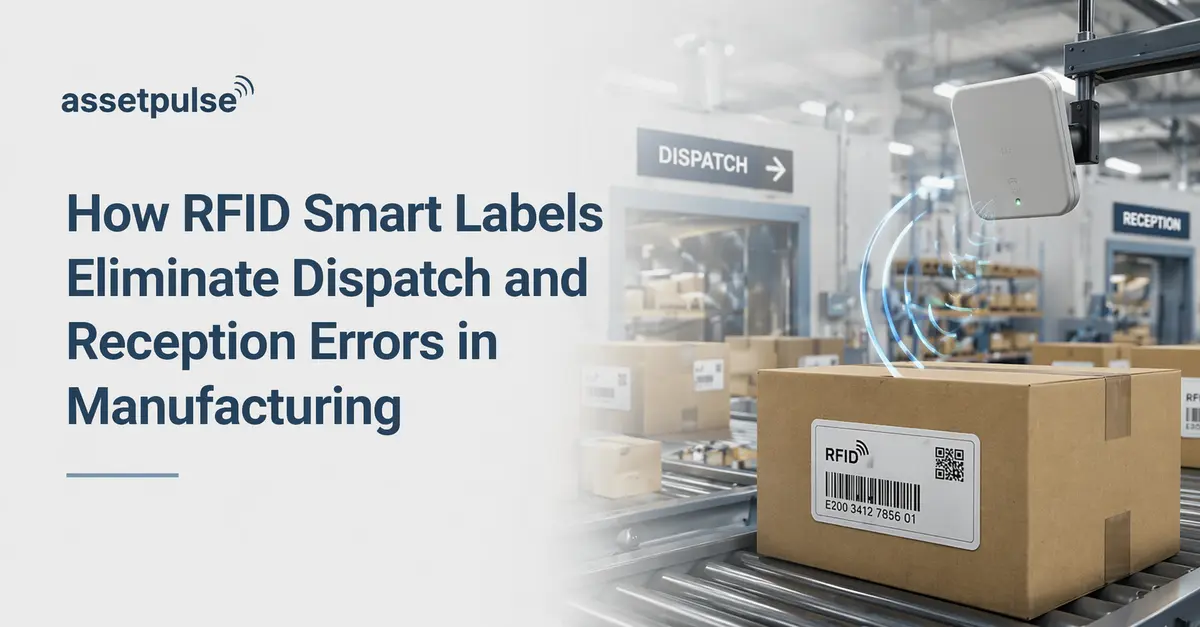
How RFID Smart Labels Eliminate Dispatch and Reception Errors in Manufacturing
Every day, manufacturers load and receive dozens of transport units—pallets of raw materials from suppliers, containers of components between facilities, and bins of finished products to customers. Each handoff represents a critical verification point where errors can disrupt production schedules, create billing disputes, and compound into persistent inventory discrepancies. Traditional verification methods create bottlenecks at loading docks while wasting valuable time. RFID…
Lab Equipment

Continue Reading
Why Pharmaceutical Cleanroom Facilities Need Automated Batch Tracking
A batch of injectable chemotherapy drugs leaves the compounding suite. It passes through a sanitization zone, waits outside a Grade B cleanroom, moves through inspection, and eventually clears QC. On paper, that journey is documented. In practice, if you ask a production manager exactly how long that batch sat waiting between sanitization and the cleanroom entrance or which step in…
RFID Solutions
Continue Reading
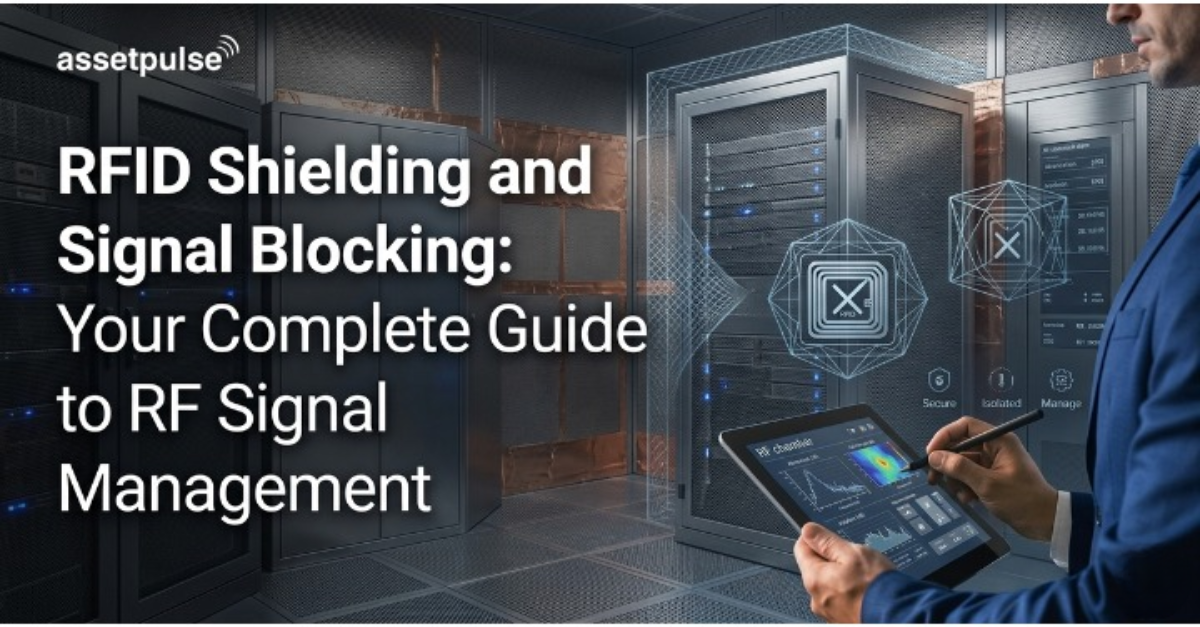
RFID Shielding and Signal Blocking: Your Complete Guide to RF Signal Management
In the world of RFID technology, controlling radio frequency signals is just as important as transmitting them. While businesses invest heavily in RFID systems to track inventory, manage assets, and streamline operations, they often overlook a critical aspect: knowing when and how to block those same signals. Whether you’re protecting sensitive information from unauthorized scans, creating precise read zones in a complex…