
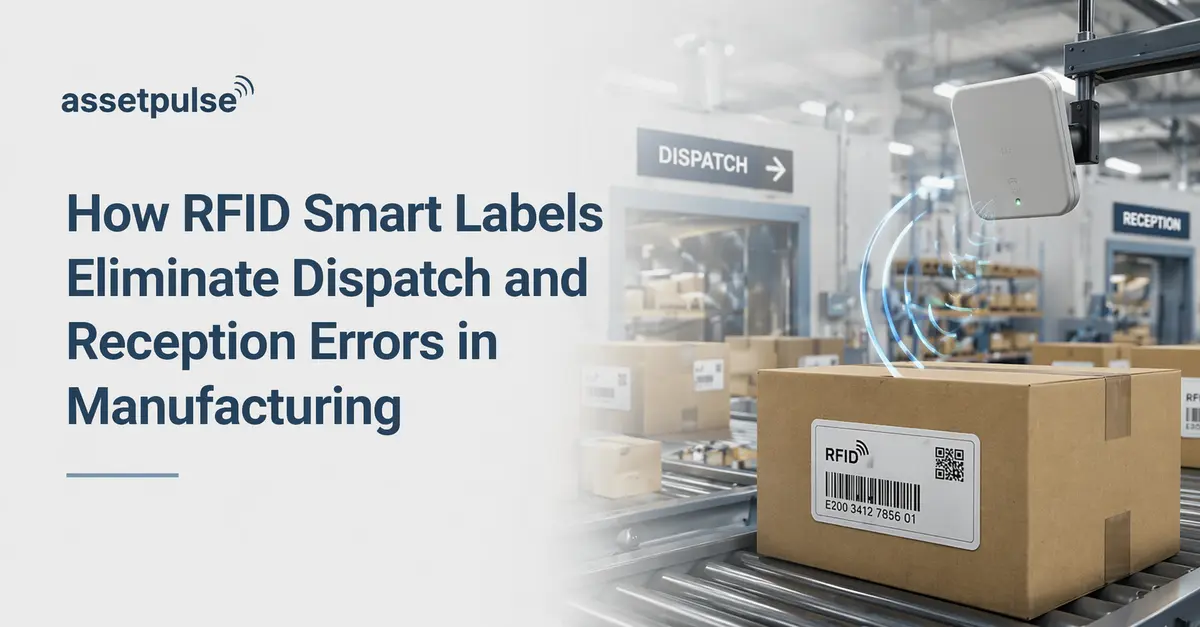
Every day, manufacturers load and receive dozens of transport units—pallets of raw materials from suppliers, containers of components between facilities, and bins of finished products to customers. Each handoff represents a critical verification point where errors can disrupt production schedules, create billing disputes, and compound into persistent inventory discrepancies. Traditional verification methods create bottlenecks at loading docks while wasting valuable time. RFID…
Lab Equipment


Continue Reading
Why Pharmaceutical Cleanroom Facilities Need Automated Batch Tracking
A batch of injectable chemotherapy drugs leaves the compounding suite. It passes through a sanitization zone, waits outside a Grade B cleanroom, moves through inspection, and eventually clears QC. On paper, that journey is documented. In practice, if you ask a production manager exactly how long that batch sat waiting between sanitization and the cleanroom entrance or which step in…
RFID Solutions
Continue Reading
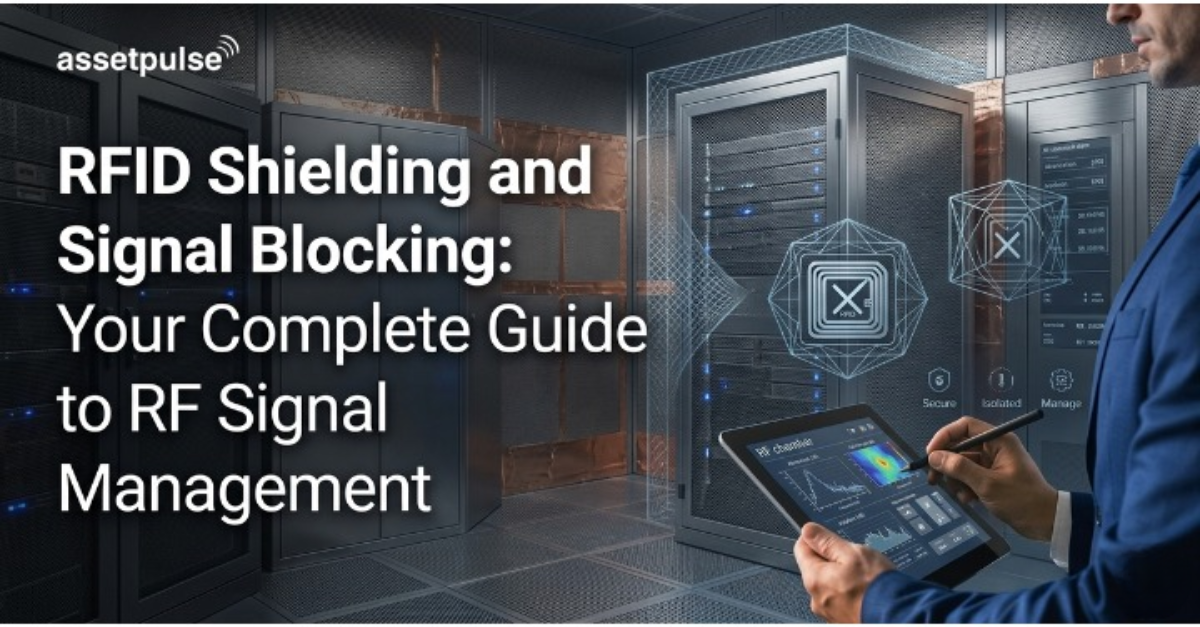
RFID Shielding and Signal Blocking: Your Complete Guide to RF Signal Management
In the world of RFID technology, controlling radio frequency signals is just as important as transmitting them. While businesses invest heavily in RFID systems to track inventory, manage assets, and streamline operations, they often overlook a critical aspect: knowing when and how to block those same signals. Whether you’re protecting sensitive information from unauthorized scans, creating precise read zones in a complex…
Inventory Tracking
Continue Reading
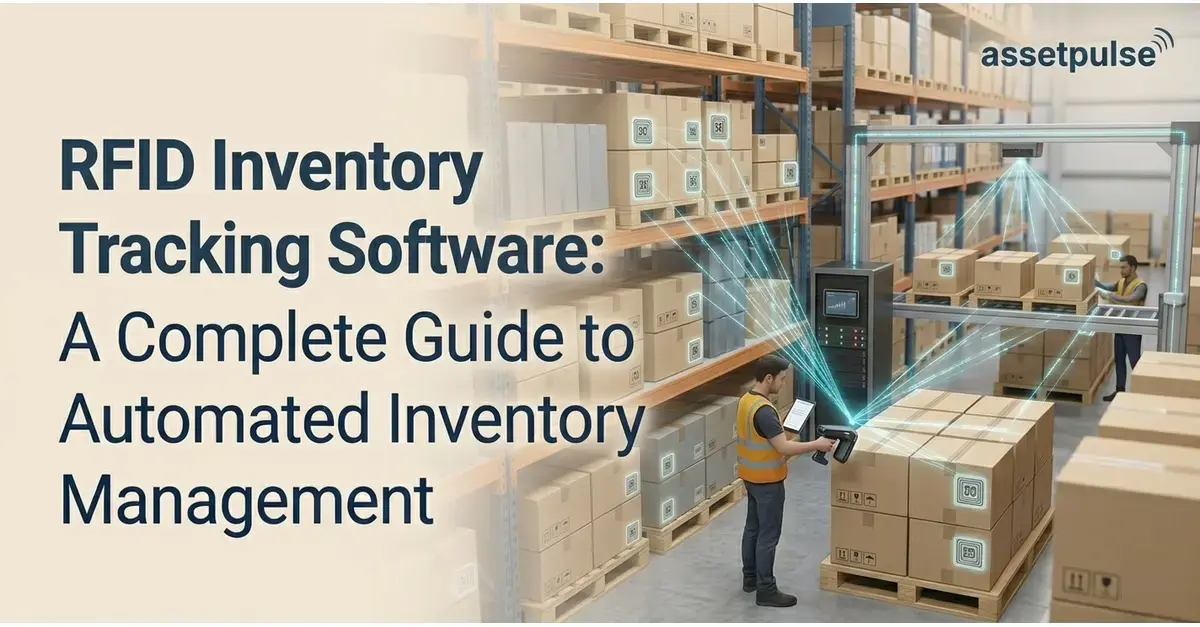
RFID Inventory Tracking Software: A Complete Guide to Automated Inventory Management
In today’s fast-paced business environment, efficient inventory tracking is critical to reducing costs, improving accuracy, and maintaining operational efficiency. Traditional methods often rely on manual processes that are time-consuming and error-prone. This is where RFID inventory tracking software is making a significant impact by automating and streamlining inventory management. Quick Answer: RFID inventory tracking software is a system that uses…
RFID Solutions

Continue Reading
Advantages and Disadvantages of RFID: What Every Asset Manager Needs to Know
The main advantages of RFID technology are: no line-of-sight required to read tags, the ability to scan multiple tags simultaneously, long read ranges that enable automation, rugged durability across harsh environments, and reduced dependence on manual data entry. The main disadvantages are: higher initial cost compared to barcodes or QR codes, more complex hardware setup, and potential signal interference near…