

BLE asset tracking is a real-time indoor tracking system that uses Bluetooth Low Energy (BLE) tags, gateways, and software to automatically locate equipment, tools, and inventory without manual scans. It provides zone-level visibility, helping teams quickly find assets, reduce search time, improve inventory control, and support maintenance and compliance workflows. The production lead stared at the computer screen in frustration….
RFID Solutions

Continue Reading
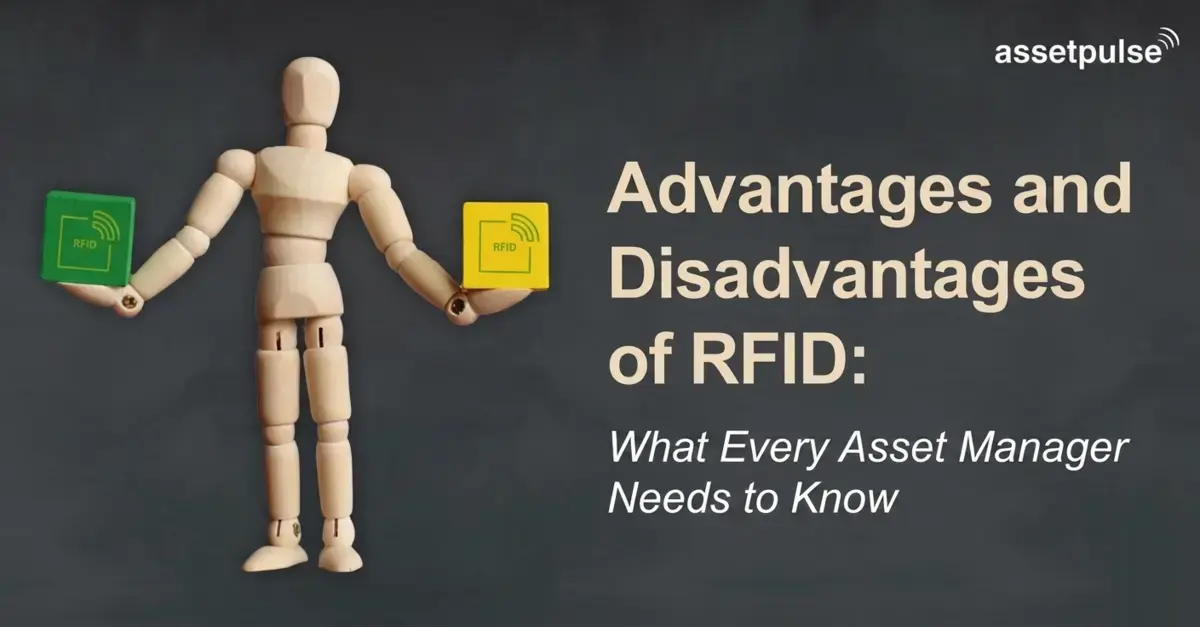
Advantages and Disadvantages of RFID: What Every Asset Manager Needs to Know
The main advantages of RFID technology include no line-of-sight scanning, the ability to read multiple tags simultaneously, long read ranges that support automation, rugged durability, and reduced dependence on manual data entry. The main disadvantages of RFID include higher implementation costs compared to barcodes or QR codes, more complex hardware setup, and potential signal interference near metal surfaces or liquids….
Inventory Tracking

Continue Reading
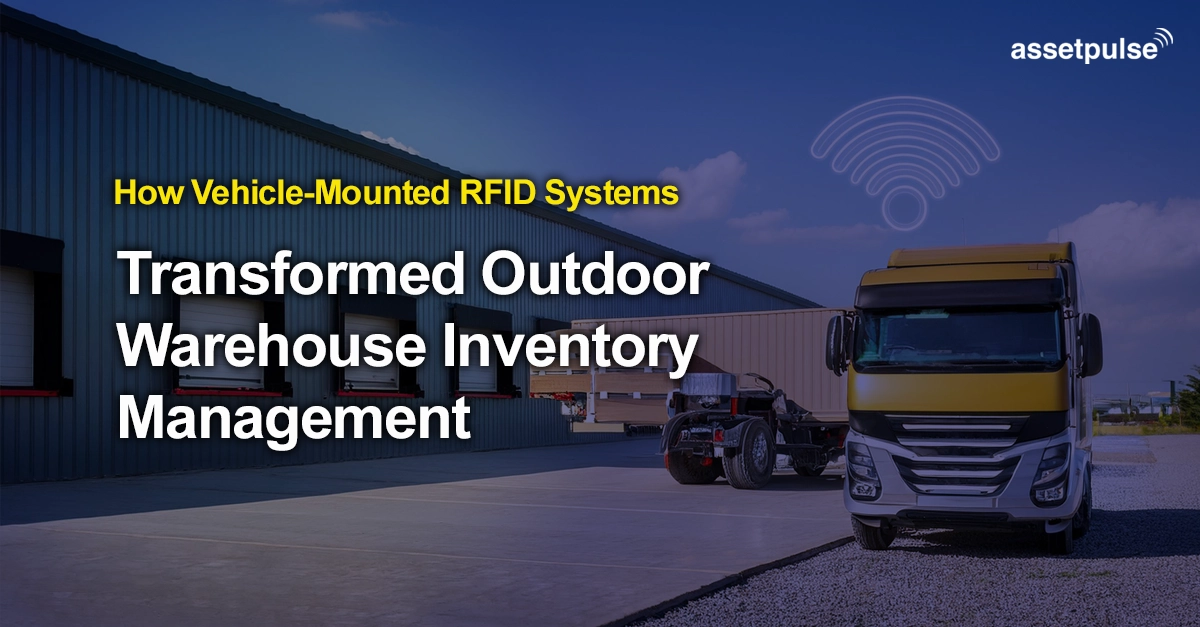
How Vehicle-Mounted RFID Systems Transformed Outdoor Warehouse Inventory Management
RFID warehouse inventory management uses RFID tags and readers to track inventory, equipment, pallets, and assets in real time across warehouses and outdoor storage yards. The right RFID warehouse inventory system improves inventory visibility, accuracy, operational efficiency, asset utilization, and audit speed while reducing manual errors and labor-intensive inventory processes. Managing inventory in large outdoor warehouses is a complex and…
Asset Tracking Software

Continue Reading
Active vs Passive RFID: Choose the Right Technology for Your Needs
Active RFID and passive RFID are two widely used RFID technologies for asset tracking, inventory management, and real-time visibility. Differences in read range, battery usage, cost, scalability, and tracking capabilities make each RFID technology suitable for different business and operational requirements. Radio Frequency Identification (RFID) technology is revolutionizing how we track, manage, and interact with objects around us. But within…
RFID Solutions
Continue Reading
Exploring the Different Types of RFID Readers and their Applications
RFID readers are devices that communicate with RFID tags to capture, process, and transmit asset data in real time. Different types of RFID readers, including fixed, handheld, mobile, and integrated readers, are designed for specific asset tracking, inventory management, warehouse, manufacturing, and supply chain applications. RFID technology has revolutionized various industries with its ability to efficiently track and manage assets,…