
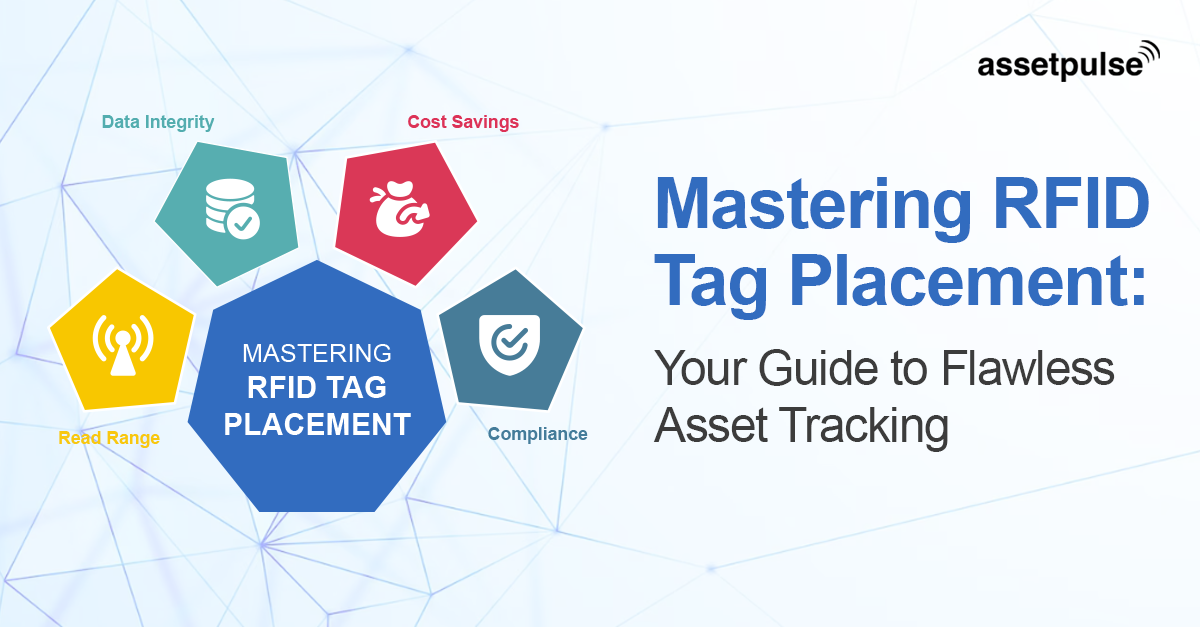
Every enterprise has faced it: critical assets go missing, inventory counts drag on for days, and audit trails come up short. Often, the culprit isn’t the technology—it’s where the RFID tags live. RFID tag placement might sound simple, but subtle mistakes can derail your entire asset tracking system. In this guide, you’ll learn what RFID tag placement is, why it matters,…
Manufacturing


Continue Reading
How RFID helps Track Manufacturing Travelers Easily and Efficiently
A manufacturing traveler is a document that accompanies a product throughout its manufacturing process. It contains all the details about the materials and processes that went into the production of the given product. Once a manufacturer receives an order, they create a detailed work order outlining the production steps. But to ensure smooth manufacturing, they also create a “traveler” document…
Inventory Tracking
Continue Reading
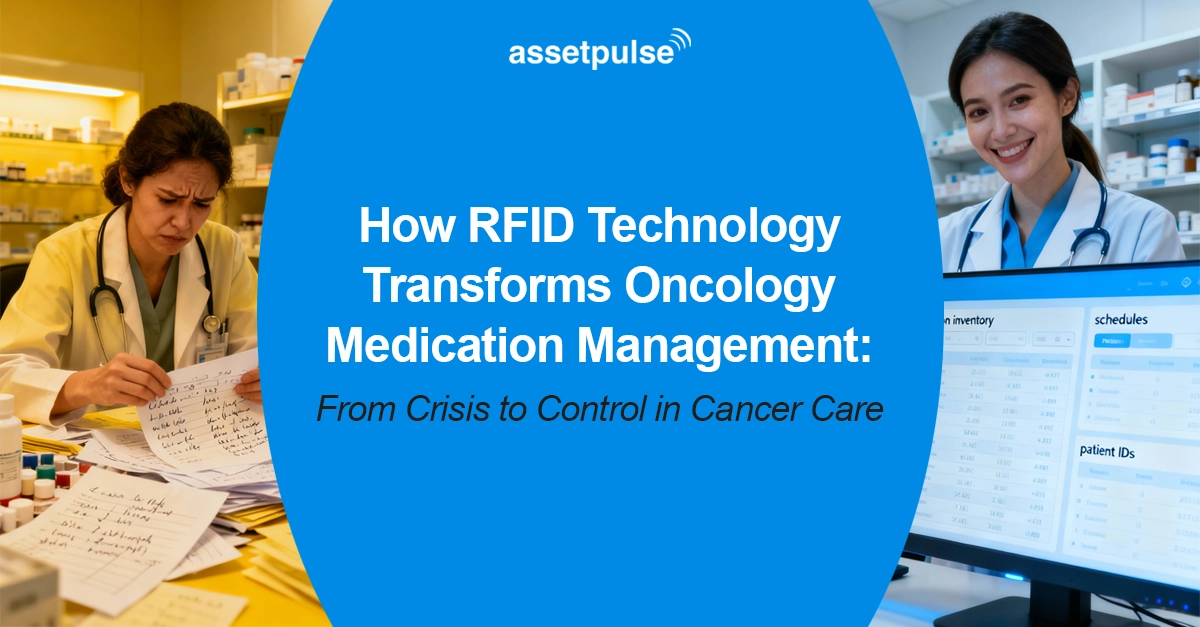
How RFID Technology Transforms Oncology Medication Management: From Crisis to Control in Cancer Care
Your infusion center is packed with patients ready for chemotherapy. Suddenly, the pharmacy team discovers they’re missing a critical oncology drug. The next hour becomes a frantic search across multiple locations, delayed treatments, and anxious patients. This scenario repeats daily across cancer centers. If you’re leading oncology pharmacy operations, managing cancer center logistics, or overseeing medication safety in healthcare systems,…
Manufacturing
Continue Reading
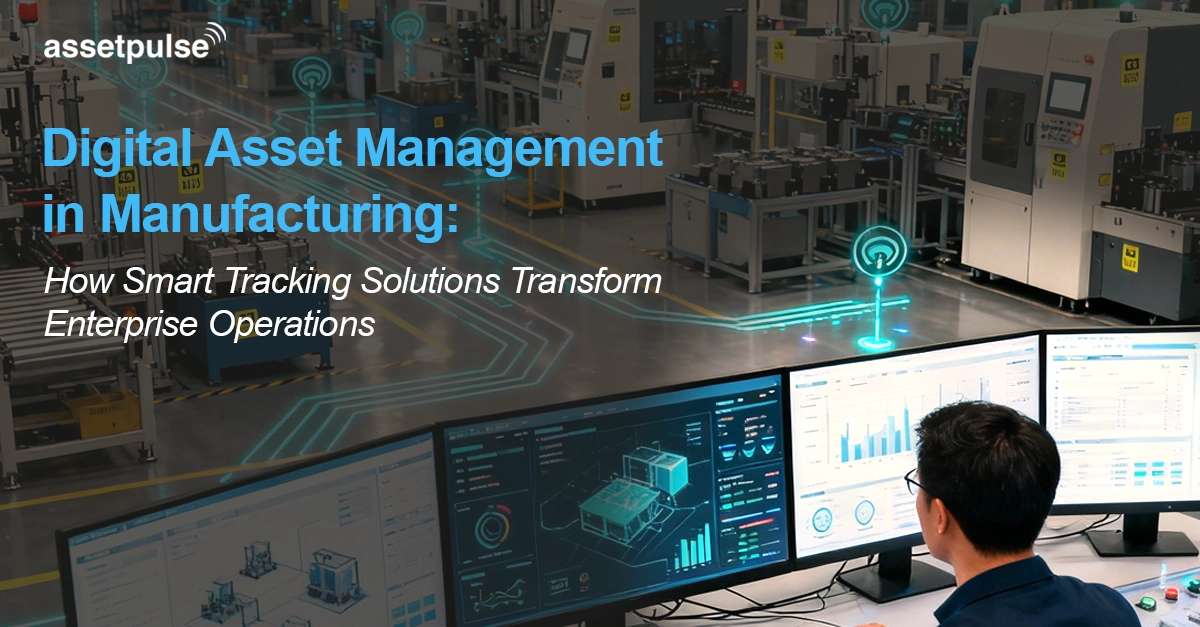
Digital Asset Management in Manufacturing: How Smart Tracking Solutions Transform Enterprise Operations
Manufacturing leaders stand at a pivotal moment. Smart asset management technologies are transforming industrial operations at remarkable pace. The market will surge from $17 billion in 2024 to over $26 billion by 2030—an 8.4% annual growth rate (Source: MarketsandMarkets) signaling massive opportunity for early adopters. Companies implementing comprehensive digital asset management report measurable improvements in production performance, equipment longevity, and…
Manufacturing
Continue Reading
How Automating Device History Records with RFID Facilitates Faster Recalls
In today’s regulated biomedical manufacturing environment, automating device history records with RFID is transforming recall processes. Medical device manufacturers face rigorous demands to maintain precise records from raw material intake through final assembly. Automating these records not only meets regulatory standards but also speeds up recalls, minimizes production downtime, and enhances patient safety. By integrating RFID into your Device History…