AssetPulse Blog
Insights and best practices on RFID, BLE, and IoT asset tracking
123 articles · Page 1 of 7
Sort by:
RFID vs BLE: Capabilities and Comparison of Asset Tracking Technologies
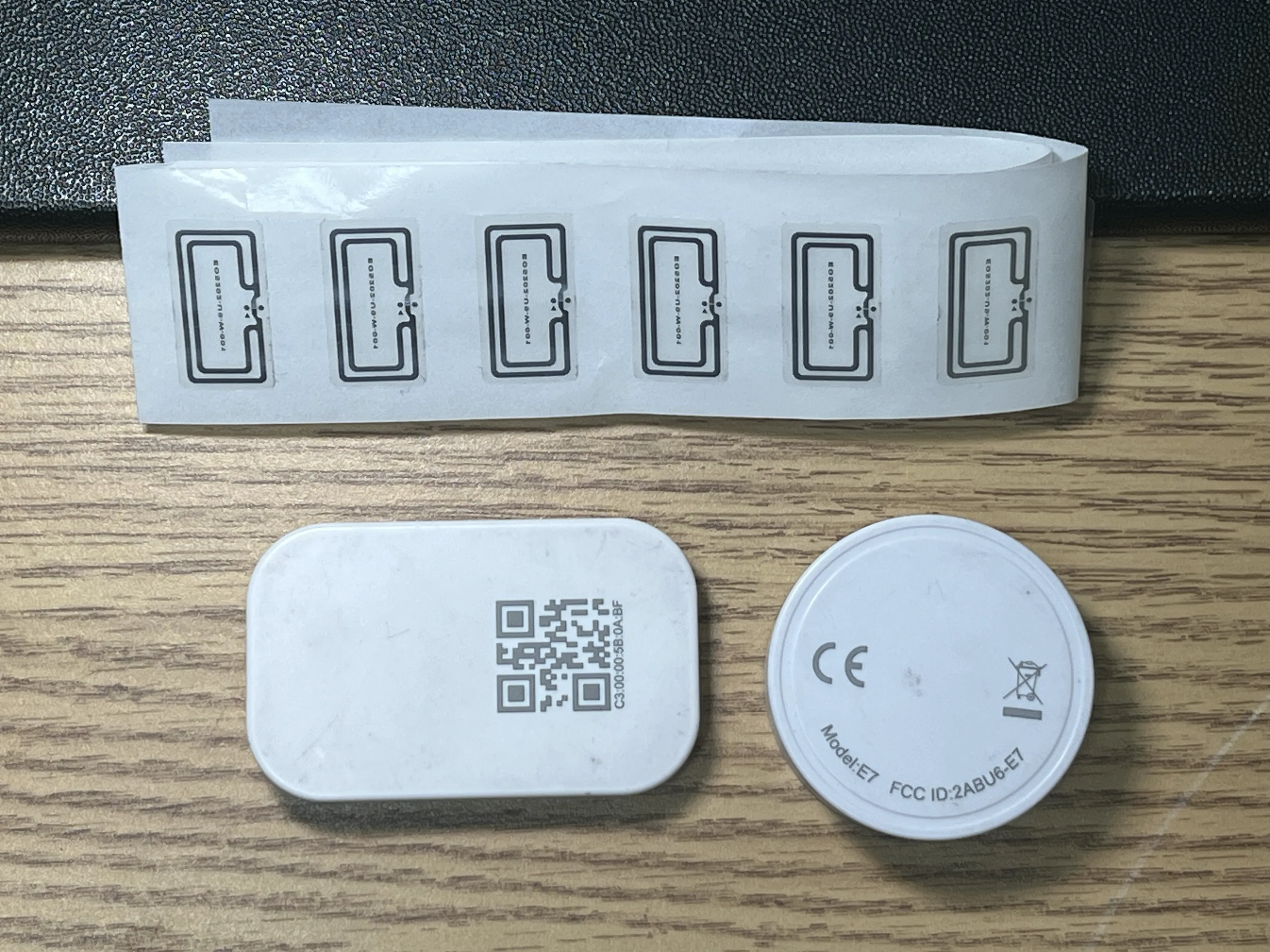
Neither technology wins outright. RFID suits high-volume inventory scans and choke points, while BLE suits continuous real-time location tracking across large open areas. A factor-by-factor comparison of range, cost, and maintenance, plus a framework for choosing - or for using both.

Why Wafer Lot Tracking Is Moving to RFID
Barcode and QR stickers need a clean line-of-sight scan, and automated material handling can't guarantee one at production speed. Why fabs are moving wafer lot tracking to RFID, and why the tag alone isn't enough without readers and routing checks at every zone transition.


RFID Frequency Ranges - How to Choose the Right Frequency & Tag
A practical comparison of the four RFID bands - LF, HF, NFC, and UHF - covering read range, behavior around metal and liquids, tag cost, and the regional rules that decide which UHF band you can use.

The Complete Guide to RFID Technology: Everything You Need to Know
RFID is not one technology - passive, active, LF, HF, NFC and UHF systems behave differently. What each part of a system does, how far it can actually read, and how to choose an approach that matches your assets and environment.
The Complete List of Data Center Assets to Track
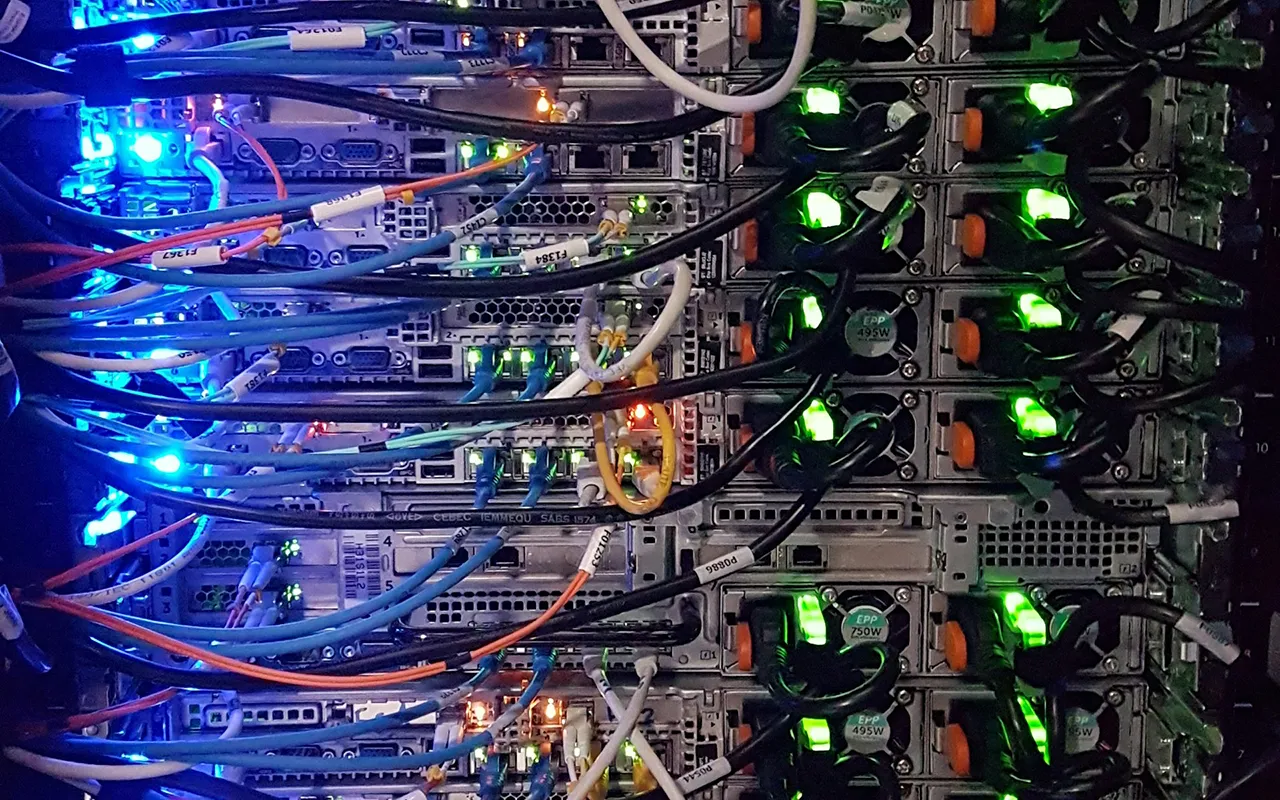
Most asset inventories fail not because a whole category is missing, but because the sub-items inside it - cabling, spare parts, firmware versions - get left out. Here's the complete category-by-category list, how to prioritize by criticality, and which tracking technology fits each one.

What Does a Data Center Really Cost to Build?
Data center construction costs have climbed fast, and AI-optimized builds run roughly two to three times more than standard ones. Here's what actually drives the price per megawatt, how the cost breaks down by component, and when leasing beats building.

Types of Data Centers: 7 Models, Tiers & How They're Classified
Not all data centers are built, owned, or run the same way. Here's how the seven main types - enterprise, colocation, hyperscale, edge, cloud, neocloud, and sovereign — differ, how Tier I–IV redundancy ratings work, and why facility type changes how you have to track assets.
Why AI Is Fueling the Data Center Boom
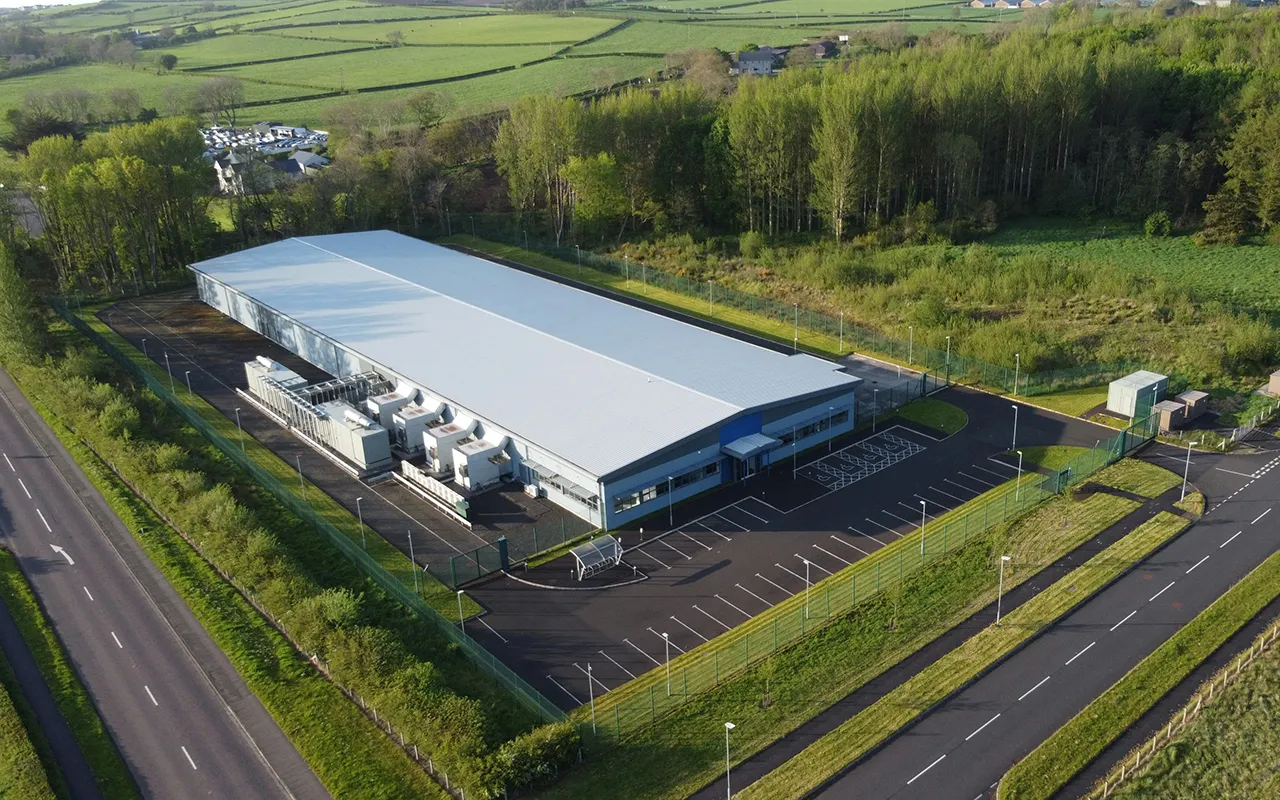
AI is driving the biggest data center buildout in history. Here's what's actually fueling it, what's limiting it, and why physical asset visibility matters more as facilities multiply.
Data Center Asset Tracking: The Complete Guide (2026)
Data centers now run on millions of physical assets - servers, racks, cabling, spare parts, that are getting harder to track as facilities multiply and grow denser. Here's what data center asset tracking actually involves, which technology fits which environment, and the ROI case for getting it right.

RFID Parts Genealogy: How Aerospace Manufacturers Get Audit-Ready Records and Faster Recalls
When a recall hits, the difference between a contained, hours-long response and a sprawling one comes down to whether you can trace a part's full history automatically. Here's how RFID-enabled parts genealogy builds that audit-ready record without relying on manual paperwork.
How Does RFID Improve Returnable Container Management and Prevent Losses?
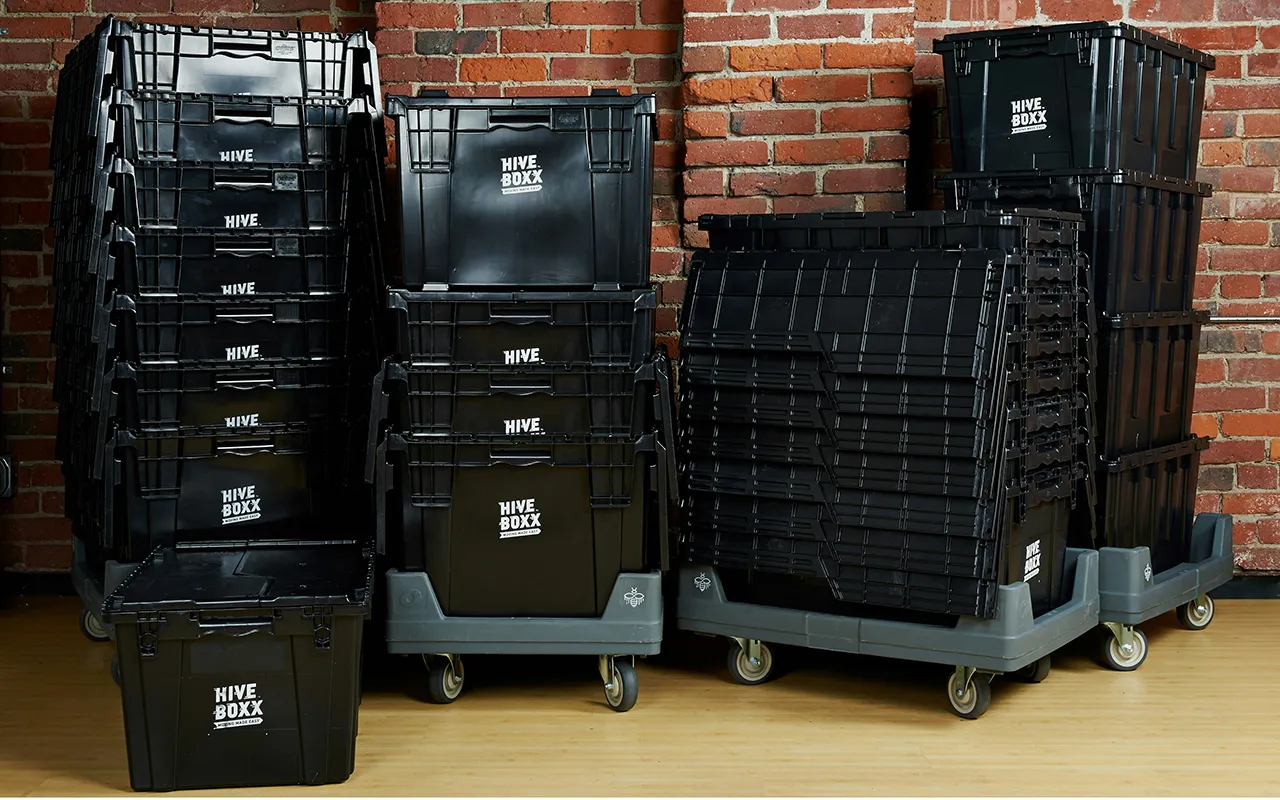
Containers that quietly go missing between facilities, suppliers, and logistics handoffs are a steady drain on replacement costs and supply continuity. Here's how RFID gives manufacturers continuous container visibility without manual scanning or paperwork.

How Does RFID Improve Armory Management and Weapon Accountability?
Manual weapon counts are slow, error-prone, and still leave gaps in the audit trail accountability regulations require. Here's how an RFID armory management system turns inventory verification into a seconds-long, automated check instead of a manual process.

How Does RFID Improve Automotive Work-in-Progress Tracking?
On a production line, not knowing exactly where a vehicle or assembly is in process turns into search time, bottlenecks, and schedule drift. Here's how RFID gives automotive manufacturers continuous, real-time WIP visibility instead of periodic manual checks.

How RFID Tool Tracking Helps Aerospace MRO Facilities Reduce Delays
Missing or unaccounted-for tools are a direct hit to aircraft turnaround time. Here's how RFID tool tracking gives MRO facilities instant tool location and automatic accountability, replacing the manual counts that eat into maintenance schedules.

Can RFID Surgical Tray Tracking Stop Missing Instruments Before They Reach the OR?
A missing surgical instrument discovered mid-procedure forces a delay that ripples through the entire OR schedule. Here's how RFID surgical tray tracking verifies tray completeness at assembly, before sterilization, and again before it reaches the OR - catching the gap before it becomes a crisis.

How much does an RFID System Cost
A simple RFID deployment starts near $5,000; a multi-site rollout with integration can reach $250,000. Here's where the money goes.

How BLE Medical Equipment Tracking Helps End the Hospital Equipment Hunt
Clinical staff lose real time every shift hunting for infusion pumps, wheelchairs, and other shared equipment that could be anywhere in the building. Here's how BLE tracking gives hospitals room-level visibility without requiring anyone to scan or log a single device move.

Why Your Bank's Compliance Program Is Only as Strong as Its Asset Inventory
SOX 404, CIS Control 1, and Basel III all quietly depend on the same thing: how accurate your physical IT asset records actually are. Here's why that dependency gets overlooked, and what it takes to make asset inventory a compliance asset instead of a liability.