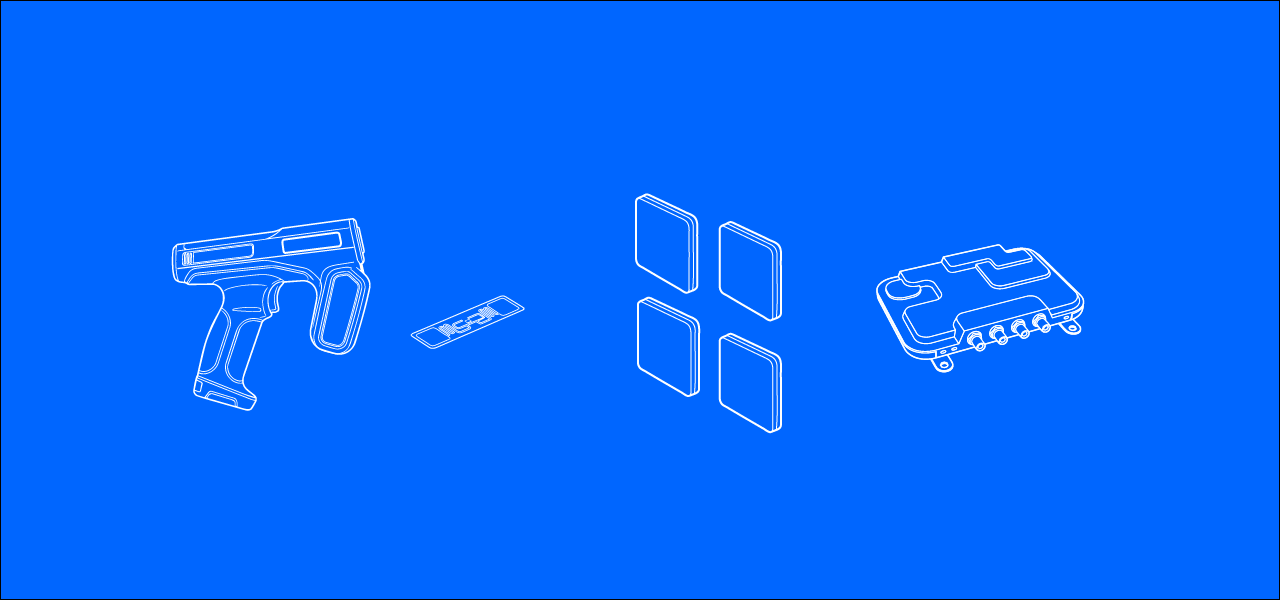
RFID (radio frequency identification) is a wireless identification technology that uses radio waves to identify tagged objects without requiring direct line of sight. A typical RFID system combines tags, readers, and antennas with software that converts tag reads into useful business data. Depending on the RFID technology and deployment, organizations can use it to automate inventory counts, identify assets at checkpoints, track work-in-progress, verify item movement, and improve traceability.
The important point is that “RFID” is not one single technology. Passive and active systems behave differently, and LF, HF/NFC and UHF systems have different read ranges, standards and use cases. The right choice depends on what you need to identify, where the assets move, the materials around them, how far away they must be read, and whether you need periodic identification or continuous location visibility.
What Is RFID Technology?
Radio frequency identification is a family of automatic identification technologies that uses radio communication between an RFID tag and a reader. The tag carries an identifier and, depending on the tag, may store additional data. The reader captures the tag response and passes the information to software, where the read can become an inventory record, location event, custody update, production milestone, or another business transaction.
RFID is useful when manual scanning creates friction. For example, a barcode typically has to be visible and scanned individually. RFID can identify tagged items without direct line of sight, and many RFID implementations can capture multiple tags during the same read event. Those characteristics make RFID particularly useful for high-volume inventory, asset tracking, manufacturing, healthcare, laboratories, warehouses, and supply-chain workflows.
How Does RFID Work?
At a high level, RFID works in four steps:
1. A tag identifies the object. An RFID tag is attached to, embedded in, or associated with an asset, item, container, badge, or other object.
2. A reader creates or receives the radio communication. In a passive system, the reader transmits radio energy. The tag uses that energy and responds by backscattering data. Active tags have their own power source and transmitter and can broadcast a signal.
3. The reader captures the tag data. The reader interprets the radio response and converts it into digital information.
4. Software turns the read into a business event. Middleware or application software filters and associates the read with context such as asset identity, location, time, user, work order, inventory status, or movement history.
This last step is often overlooked. RFID hardware creates read events; the operational value comes from the software and workflow that determine what those reads mean.
What Are the Components of an RFID System?
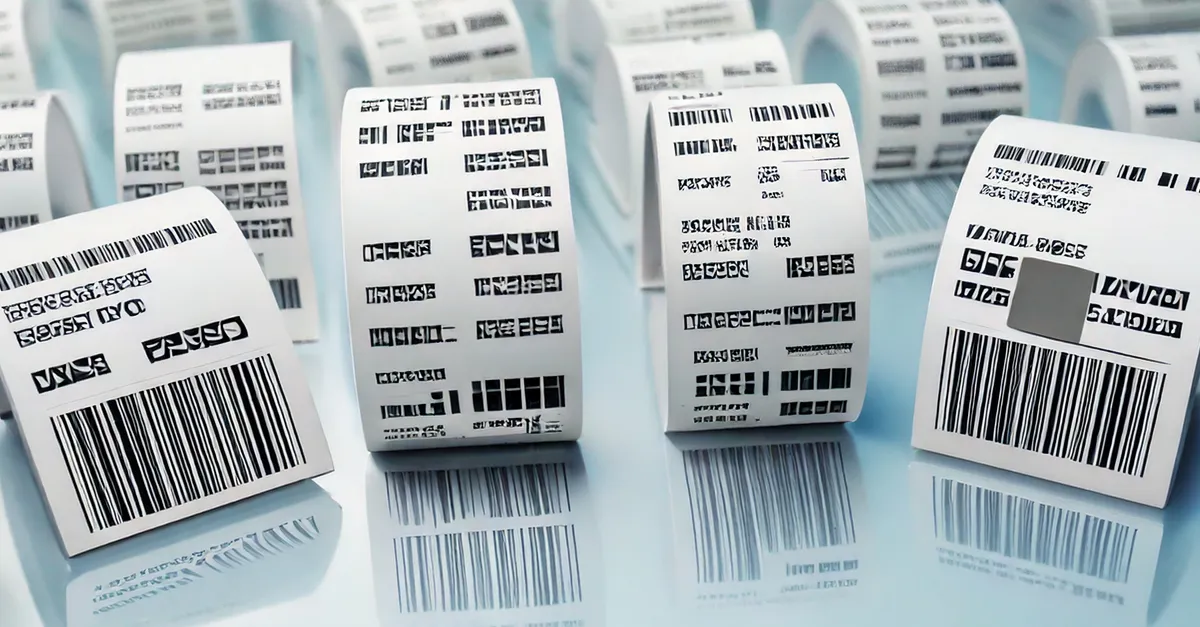
RFID tags: A tag normally contains an integrated circuit and antenna. Passive tags draw operating energy from the reader field; active tags use an onboard power source. Tag form factor, frequency, memory, mounting method, material compatibility, durability, and environment all affect performance.
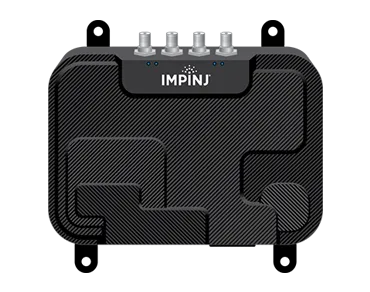
RFID readers: Readers communicate with tags and pass captured data to the application layer. They may be fixed at doorways, portals, production zones, or conveyors, or mobile/handheld for inventory and search workflows.
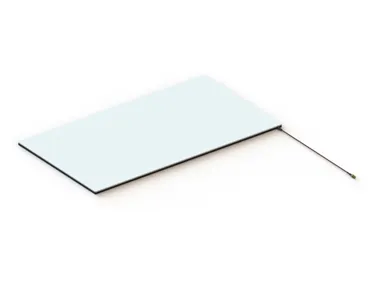
Antennas: Antennas shape the RF coverage area. Their type, placement, orientation, polarization, power and surrounding materials can materially affect read performance.
Middleware and application software: Software filters raw reads, removes unwanted duplicates, applies business rules, associates tag IDs with asset records, and integrates RFID events with systems such as ERP, LIMS, CMMS, inventory, or other enterprise applications.
Passive, Active, and Battery-Assisted RFID
The power source and communication method are two of the most useful ways to distinguish RFID systems.
| How it is powered | Typical strength | Common fit | |
|---|---|---|---|
| Passive RFID | No onboard transmitter power; powered by reader field | Low-maintenance identification at scale | Inventory, tools, IT assets, WIP, supply-chain and item-level identification |
| Active RFID | Onboard power source and transmitter | Longer-range beaconing and location-oriented use cases | Large/high-value assets and RTLS-style applications |
| Battery-assisted passive (BAP) | Battery powers chip/sensors; communication still uses backscatter | Improved sensitivity or sensing while retaining passive-style communication | Specialized applications requiring sensors or improved read performance |
For a deeper technology comparison, see Active vs. Passive RFID: Choose the Right Technology for Your Needs.
RFID Frequency Bands: LF, HF/NFC, and UHF
Frequency affects read distance, data rate, antenna behavior, interference sensitivity, standards, and the applications a system can support. Rather than choosing a frequency by range alone, evaluate the tagged material, required read zone, regional regulations, tag form factor, and workflow.
| Typical frequency | General characteristics | Example applications | |
|---|---|---|---|
| LF | 125–134 kHz | Short range; comparatively less sensitive to some interference | Animal identification, access control and specialized identification |
| HF | 13.56 MHz | Short-to-medium range depending on system and standard | Cards, ticketing, item tracking and other close-range applications |
| NFC | 13.56 MHz | Very short-range HF technology designed for close interaction | Payments, digital keys, smartphone/tag interactions |
| Passive UHF / RAIN RFID | Region-dependent UHF band; commonly around 860–930 MHz | Fast identification, multi-tag reads and longer passive read ranges | Asset identification, inventory, portals, manufacturing and supply chain |
For detailed frequency selection, regional bands, and tag considerations, see RFID Frequency Ranges - How to Choose the Right Frequency & Tag.
How Far Can RFID Read?
There is no single RFID read-range number. Read range depends on the RFID type and frequency as well as reader power, antenna design, tag sensitivity, tag orientation, mounting surface, surrounding metal or liquids, interference, regional regulations, and the physical environment.
As a practical rule, LF and NFC are used at short distances; HF is generally short range. Passive UHF can support reads from close proximity to several meters or more under suitable conditions, while active systems can operate over substantially longer distances. Treat published maximum ranges as design references, not guaranteed field performance.
If read distance is central to your deployment, use the dedicated RFID tag read range guide rather than selecting hardware from a headline range alone.
Where Is RFID Used?
RFID is used wherever organizations need to identify physical items more efficiently or create reliable movement and custody events. Common applications include:
- Asset tracking: Identify and track equipment, tools, and other assets during inventory, movement, check-in/check-out, or checkpoint events.
- Inventory management: Capture many tagged items more efficiently than one-at-a-time manual scanning in suitable workflows.
- Manufacturing and WIP: Associate parts, assemblies, tools, travelers, containers or work orders with production stages and movement events.
- Laboratories and life sciences: Track lab equipment, samples, containers, calibration-related assets, or controlled workflows where traceability matters.
- Healthcare: Support equipment identification, inventory and selected patient or supply workflows, subject to the deployment’s safety, privacy and regulatory requirements.
- Supply chain and logistics: Identify goods, cases, pallets or returnable containers at receiving, shipping, staging and other checkpoints.
- Access and personnel workflows: Use RFID-enabled credentials or tags for authorized access, time and attendance, or controlled movement applications.
RFID vs. Barcodes and BLE: What Problem Are You Solving?
RFID should not be selected simply because it is more automated than a barcode. The right technology depends on the tracking problem.
| Best suited to | Key strength | Important limitation | |
|---|---|---|---|
| Barcode / QR | Deliberate, one-at-a-time identification and scanning workflows | Low-cost and simple | Requires intentional visual scanning |
| Passive RFID | Bulk identification and automated reads at defined points/zones | No direct line of sight; multi-tag identification | RF performance depends heavily on environment and system design |
| BLE | Continuous or frequent room/zone-level location visibility | Ongoing location signals from powered devices/tags | Battery/infrastructure requirements and different location accuracy trade-offs |
For a detailed technology-selection discussion, see RFID vs. BLE Technology Comparisons.
What Are the Main Benefits and Limitations of RFID?
RFID can reduce manual scanning, identify multiple items efficiently, automate movement events, improve inventory visibility, and create more reliable traceability. However, those benefits depend on correct system design.
Common implementation constraints include higher upfront cost than simple barcode workflows, RF interference, performance changes around metal and liquids, tag-placement requirements, reader/antenna design, integration effort, privacy/security requirements, and the need to tune the system to the actual workflow.
For the full decision analysis, see Advantages and Disadvantages of RFID: What Every Asset Manager Needs to Know.
How to Choose the Right RFID Approach
Before selecting tags or readers, define the business event you need the system to capture. A useful RFID evaluation starts with these questions:
- What exactly needs to be identified or tracked?
- Do you need inventory visibility, a checkpoint event, a custody transaction, or continuous location?
- How many tagged items need to be read at the same time?
- What read distance and read-zone boundaries are required?
- Are the assets made of or stored near metal, liquids, electronics, or other RF-sensitive materials?
- Will tags face heat, chemicals, cleaning, impact, outdoor exposure, or other environmental conditions?
- Will readers be fixed, handheld, mobile, or a combination?
- What software system owns the asset record, and what integrations are required?
- What level of read reliability is required, and how will the deployment be tested before rollout?
- What is the total implementation budget, including tags, readers, antennas, software, integration, installation, and ongoing support?
For detailed budgeting, see How Much Does an RFID System Cost?
RFID Implementation: From Pilot to Production
A successful RFID deployment is usually an engineering exercise rather than a hardware purchase. The pilot should reproduce the real environment, assets and workflows that the production system will face.
- Define the business outcome. Specify the event or decision RFID must improve, such as faster inventory, automated WIP movement, tool accountability, or receiving verification.
- Characterize the environment. Document materials, distances, movement patterns, RF obstacles, mounting constraints and required read zones.
- Select and test tags. Test candidate tags on the actual assets rather than relying only on datasheets.
- Design reader and antenna coverage. Create the smallest reliable read zone that supports the workflow and minimizes unwanted reads.
- Connect reads to software. Map tag IDs to asset records and define filtering, business rules, alerts and integrations.
- Measure the pilot. Track read reliability, exceptions, workflow time, false/missed reads and user effort.
- Tune before scaling. Adjust tag placement, antenna positioning, reader settings and workflow rules before a wider rollout.
RFID Security and Privacy
RFID security is not a single feature. Risk depends on the tag type, protocol, data stored on the tag, read range, reader configuration, network architecture, application permissions, and physical deployment. Security planning can include limiting the RF coverage area, using appropriate access controls and authentication, protecting reader-to-application communications, minimizing sensitive data stored on tags, and selecting standards or tag capabilities appropriate to the risk.
Organizations handling regulated, sensitive, or personally identifiable information should include security and privacy requirements in the RFID architecture from the beginning rather than treating them as an afterthought.
What Is Changing in RFID Technology?
RFID continues to evolve through better tag and reader performance, broader interoperability, improved sensing options, and tighter integration with cloud and enterprise systems. The GS1 EPC UHF Gen2 standard also continues to evolve. The current EPC UHF Gen2 Release 3.0.1 specification includes enhancements designed to improve the performance and capabilities of passive UHF RFID systems.
For buyers, the practical trend is more important than the specification number: RFID is increasingly becoming part of a connected data architecture in which identification events feed operational software, analytics, automation and other IoT systems.
Frequently Asked Questions
From RFID Technology to an Operational System
RFID can automate identification, but successful deployments depend on more than choosing a tag and reader. The system has to match the assets, environment, read zones, workflow, software and business outcome.
If you are evaluating RFID for asset tracking, manufacturing, laboratories, healthcare, inventory, or another operational workflow, explore AssetPulse RFID solutions or discuss your requirements with the AssetPulse team.