Semiconductor fabrication and electronics assembly share a common vulnerability: the cost of a tracking failure scales with production value. Whether it is a measurement instrument used past its calibration date, a WIP carrier routed to the wrong process step, or an undocumented cleanroom tool breaking the audit trail, a single oversight can compromise a high-value production run.
Why Is Asset Tracking So Critical in Semiconductor Manufacturing?
Semiconductor fabrication involves hundreds of tightly sequenced process steps, each entirely dependent on calibrated instruments and verified equipment status. When an asset tracking failure occurs in a 24/7 fab, the damage rarely stays contained. Because operations run continuously, a single lapse propagates forward through the line, multiplying the volume of scrapped material before the error is even detected.
Electronics assembly operations face similar challenges at higher volume. Calibrated test equipment must be tracked across multiple lines and shifts. WIP assemblies move through complex multi-stage processes where a routing error at one step produces defects that may not surface until final test or customer receipt. ISO 9001, IATF 16949, and customer-specific quality requirements all demand the kind of traceable, timestamped asset records that manual paper logs cannot reliably produce.
How Does AssetPulse Track Tools and WIP in Cleanroom Environments?
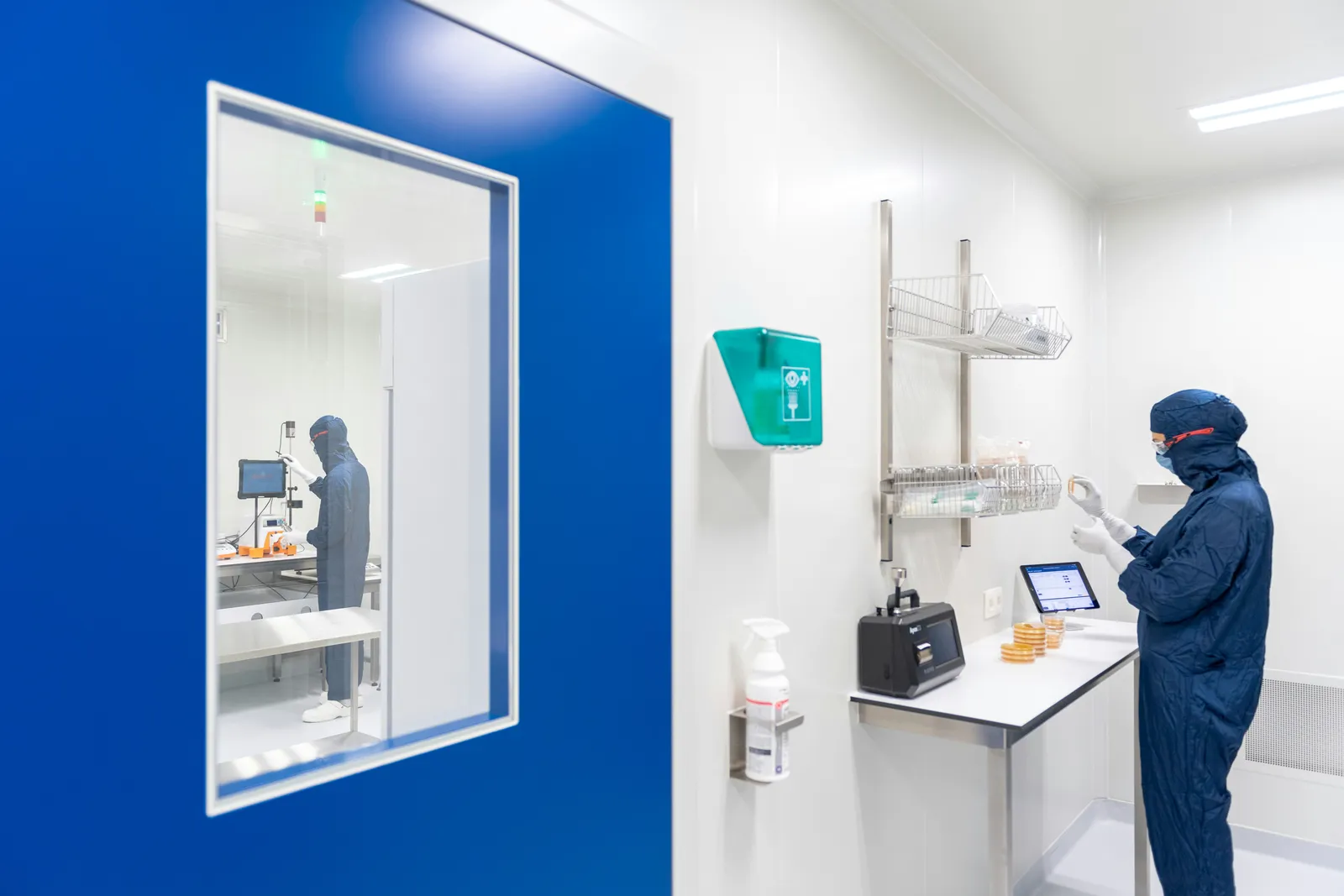
Cleanroom-compatible RFID tags attach to process tools, measurement instruments, fixtures, and WIP carriers. Tag materials are selected for low outgassing and cleanroom chemical resistance, with form factors appropriate for both large process tools and small handheld instruments. For metal-bodied tools in metal-dense fab environments, a known challenge for standard RFID, AssetPulse specifies on-metal tags engineered for reliable read performance in those conditions.
Fixed readers at cleanroom entry points, equipment bays, and process zone transitions capture every movement automatically. No operator intervention is required. BLE beacons provide room-level positioning for high-value instruments that move between metrology labs, process areas, and storage.
All data flows into the AssetGather platform, which maintains a continuous record of each tool's calibration status, location history, and usage log. When a calibration due date approaches, automatic alerts reach the responsible engineer before the instrument goes out of service. When a WIP carrier enters the wrong process zone, the system flags the exception at the transition point before the process step runs, not after.
What Asset Tracking Capabilities Does AssetPulse Offer for Semiconductor and Electronics?
Cleanroom Tool Tracking and Documentation
Every tool entering or exiting a controlled manufacturing environment is logged automatically. Entry and exit events are timestamped and stored against the tool record. Cleanroom protocols are not disrupted. RFID readers capture movement without requiring operators to stop and scan. Tags are available in ESD-safe materials for environments where electrostatic discharge is a risk, and in on-metal configurations for metal-bodied tools where standard UHF tags underperform. The documentation that contamination investigations and metrology audits require is maintained continuously, not reconstructed after an event occurs.
Calibration and Metrology Compliance
Calibration intervals are tracked automatically for all measurement instruments such as profilometers, ellipsometers, particle counters, electrical testers, and any instrument tagged in the system. Alerts trigger before a calibration expires, giving metrology teams time to pull and recalibrate the instrument before it reaches a process step. Out-of-calibration instruments attempting to enter a controlled area trigger an immediate notification. Every calibration event is logged with timestamp and technician ID for audit purposes.
WIP Lot Visibility and Routing Control
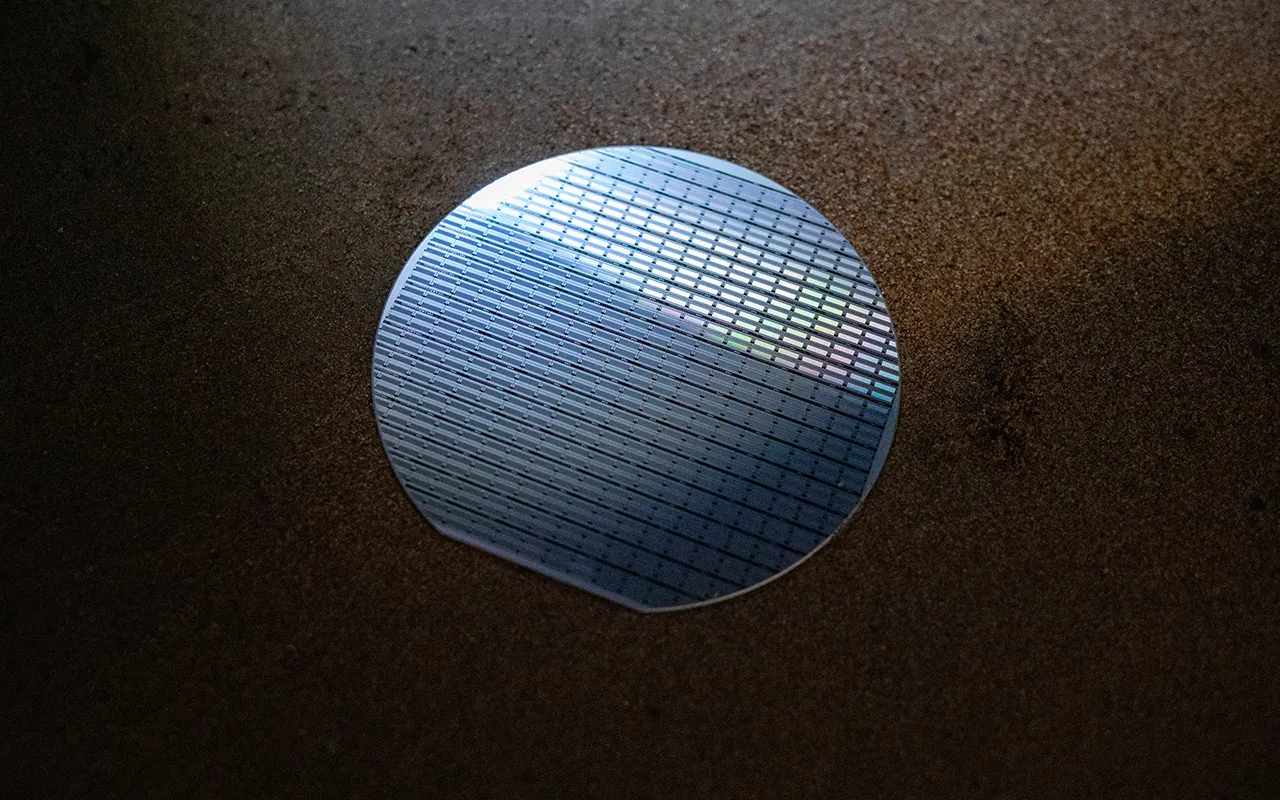
Wafer lots, PCB assemblies, component trays, and consumable kits are tracked through each process step from start to finish. Zone transition readers flag routing errors at the point of entry, before the wrong process step runs and before yield is affected. Consumables with shelf-life or lot-control requirements are tracked for FIFO compliance and expiry. Production engineers see where every lot is in the sequence and how it is moving against schedule. When a lot needs to be traced back through its handling history for a deviation investigation, the complete record is available immediately.
Equipment Qualification Status Tracking
IQ/OQ/PQ documentation is linked to each equipment record in the AssetGather platform. Qualification status is maintained against each asset and updated automatically when a new qualification event is logged. Before a tool is released for production use, the system confirms it is currently qualified. Engineers do not need to cross-reference separate qualification records — the status is embedded in the same record as the tool's location and calibration history.
Tool Room Inventory and Shift Reconciliation
Full tool room inventories complete significantly faster with RFID handheld readers compared to manual count, a process that previously consumed 30–60 minutes of technician time at each shift change. Missing or misplaced tools are identified before the shift starts, not after a search has already delayed production. Shift-to-shift handover records are accurate and complete. The accumulated time savings across multiple shifts and multiple tool rooms compounds quickly across a 24/7 operation.
ERP and MES Integration
AssetGather integrates with manufacturing execution systems and ERP platforms via API. Equipment status, calibration records, and WIP location data stay synchronized across systems without manual data entry. When a process step is completed in the MES, AssetGather updates the asset record. When a calibration event is logged in AssetGather, the ERP maintenance record is updated. Duplicate entry is eliminated and data integrity is maintained across the full operational stack.
What Results Do Semiconductor and Electronics Manufacturers Achieve?
Semiconductor and electronics manufacturers deploying AssetPulse eliminate the category of quality failures caused by tracking gaps. Calibration compliance improves substantially because alerts fire proactively before an out-of-service instrument reaches a process step. WIP routing errors are caught at zone transitions rather than after the wrong process step has already run. Tool reconciliation at shift change drops to a fraction of the time previously required.
The financial case is direct. For advanced-node processes, preventing a single misdirected wafer lot from reaching the wrong process step can cover the cost of a full tracking deployment in materials alone. In electronics assembly, calibration compliance improvements reduce rework and scrap costs while strengthening the audit trail that customer quality audits and certification bodies require. The operational cost of manual tracking is eliminated, including searches, log reconciliations, and audit preparation.
AssetPulse has been deploying RFID and BLE asset tracking solutions in precision manufacturing environments since 2005. Our cleanroom-compatible solutions are engineered specifically for semiconductor fabs, electronics assembly lines, and R&D facilities, delivering the calibration compliance, WIP visibility, and audit-ready documentation that process control and quality certifications demand.
What Are the Benefits of RFID Tracking for Semiconductor and Electronics Manufacturing?
- Automatic cleanroom tool tracking with timestamped entry and exit records — no operator intervention required
- Proactive calibration alerts before instruments go out of service, with full metrology audit trails
- WIP lot routing error detection at zone transitions — before yield is affected
- Consumable and kitting lot control with FIFO enforcement and shelf-life visibility
- Equipment qualification status linked to every asset record and confirmed before production release
- Tool room shift reconciliation significantly faster than manual count at each shift change
- Seamless MES and ERP integration — equipment status, calibration, and WIP records synchronized without manual entry
- Cleanroom-compatible RFID hardware: low-outgassing materials, ESD-safe tag options, on-metal read reliability, on-premises deployment option for security-sensitive fabs