Hospital operations depend on equipment being where it needs to be. When a nurse spends 20 minutes locating an IV pump that a patient needs now, the impact extends beyond wasted time. It affects care quality, staff morale, and patient outcomes. Hospitals manage tens of thousands of mobile medical devices, and most have no reliable system for locating them.
Why Is Asset Tracking a Clinical Priority for Hospitals?
Limited visibility into mobile medical equipment can drive significant operational inefficiencies across healthcare facilities. Misplaced or underutilized assets often result in unnecessary purchases, rental expenses, and increased staff time spent searching for equipment.
Equipment stockpiling further exacerbates the issue, as departments retain excess devices to ensure availability, reducing overall utilization and creating the perception of inventory shortages. Without accurate, real-time asset visibility, these challenges can lead to substantial avoidable costs across large healthcare organizations.
Biomedical engineering teams face a separate but related challenge. Preventive maintenance schedules cannot be met when assets cannot be reliably located before their service deadline. Joint Commission surveys require documented proof of PM compliance. When equipment cannot be located or maintenance records are incomplete during an inspection, healthcare organizations may face citations that directly affect accreditation status.
How Does AssetPulse Track Medical Equipment Across a Hospital?
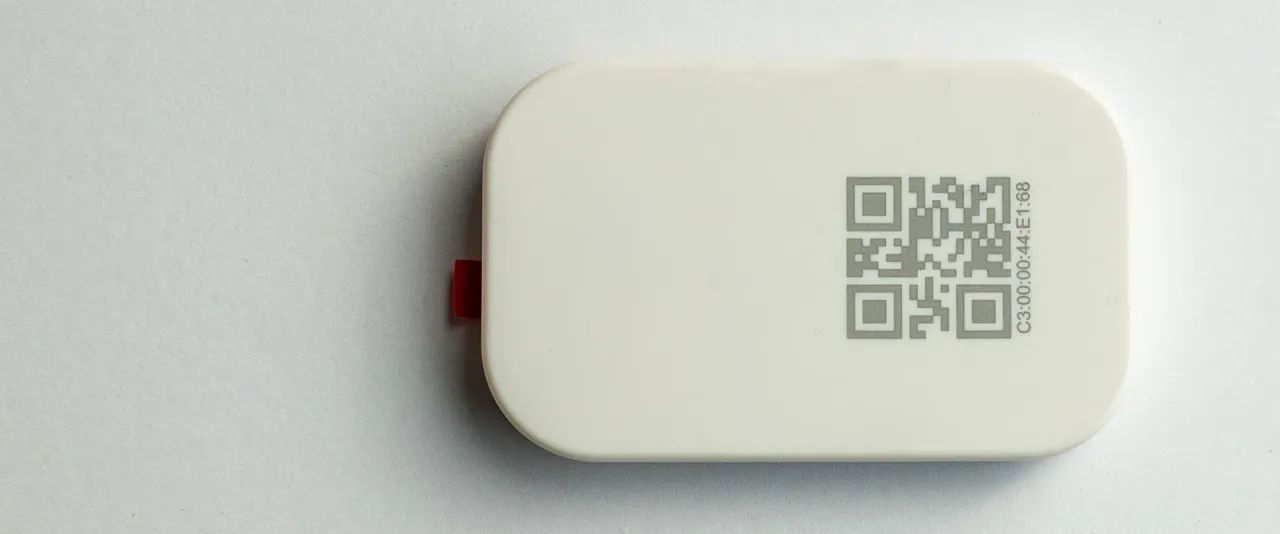
BLE gateways and RFID readers are deployed throughout patient units, procedure rooms, and support areas. Each tracked device carries a BLE tag or RFID label. The system continuously updates device locations to the room or zone level, displaying them in real time on the AssetGather dashboard. Clinical staff can find any device in seconds by name, type, or serial number without phone calls, manual searches, or asking colleagues.
Fixed RFID readers at unit entrances and loading docks capture every asset movement, building a complete chain-of-custody record. Biomedical teams use the AssetGather mobile app in the field to update maintenance records, flag equipment for repair, and confirm PM completion, without returning to a workstation. Every action is timestamped and stored against the asset record.
What Asset Tracking Capabilities Does AssetPulse Offer for Hospitals?
Real-Time Medical Equipment Location
Any infusion pump, ventilator, monitor, or wheelchair is locatable in seconds. Staff search by device name, type, or serial number. The system returns the current room or zone, the last movement event, and how long the device has been in that location. By eliminating uncertainty around equipment locations, healthcare organizations can improve asset utilization, streamline workflows, and enhance patient care delivery.
Preventive Maintenance Tracking
PM events are triggered automatically by calibration or maintenance due dates, with proactive alerts notifying users ahead of schedule to ensure compliance. Biomedical teams receive alerts when equipment approaches its calibration/service deadline. Because the system always knows where each device is, locating equipment is no longer an obstacle. PM completion rates improve, and compliance documentation is generated automatically.
Biomedical Compliance and Accreditation Support
Complete maintenance histories are maintained for every tracked asset. Joint Commission, DNV, and CMS surveys require documented evidence of PM compliance. That evidence is generated on demand, based on asset, date, and maintenance type. Surveyors get what they ask for without staff scrambling to reconstruct records from paper logs or disconnected spreadsheets.
Equipment Utilization Analytics
The AssetGather platform identifies utilization patterns by unit, device type, and time of day. Hoarded equipment and consistently idle devices are identified automatically. Nurse managers and supply chain teams use this data to right-size fleet sizes, redistribute equipment across units, and make procurement decisions based on actual usage rather than reported shortages.
Rental and Loaner Equipment Management
Rented equipment is tracked separately from owned assets from the moment it arrives. The system records when rental devices arrive, which units they move to, and when they leave the facility. Rental billing disputes become easy to resolve. Return deadlines are met because the system knows exactly where the device is when it is time to return.
Infection Control and Contact Tracing Support
The system records which assets entered isolation rooms and when. This data supports decontamination workflows by identifying every device that requires cleaning after exposure. During a contact tracing event, the movement history for any asset is available immediately — without manual reconstruction.
What Results Do Hospitals Achieve with AssetPulse?
Hospitals deploying AssetPulse often uncover underutilized equipment that was previously considered unavailable, misplaced, or retained within individual departments, improving asset visibility and utilization across the facility. Staff can quickly locate equipment using real-time location data, reducing the need for time-consuming manual searches. Real-time asset visibility also helps biomedical teams identify and locate equipment needed for preventive maintenance programs.
Equipment rental spend can be reduced when hospitals have accurate visibility into what they own and where it is located, helping to avoid unnecessary rentals caused by misplaced assets. AssetPulse helps healthcare organizations reduce equipment-related costs by improving asset visibility, minimizing unnecessary rentals and purchases, and maximizing the utilization of existing equipment investments.
AssetPulse has been deploying RFID, BLE and IoT asset tracking solutions in clinical environments since 2005. Our solutions give hospital staff instant visibility into every piece of mobile equipment, from infusion pumps and ventilators to wheelchairs and portable monitors, while giving biomedical engineering teams the maintenance records they need for Joint Commission, DNV, and CMS compliance.
What Are the Benefits of RFID and BLE Tracking for Hospitals?
- Instant medical device location by name, type, or serial number
- Reduced equipment loss and elimination of stockpiling across clinical units
- On-time preventive maintenance and automated compliance documentation for Joint Commission, DNV, and CMS
- Accurate utilization data to right-size fleets and reduce unnecessary procurement
- Automated rental equipment tracking with arrival, movement, and return records
- Infection control support through asset movement histories for isolation rooms